

Your financial statements tell a story about your business. The problem is, most business owners don’t know how to read it.
To analyze financial statements, you compare income statements, balance sheets, and cash flow statements to assess profitability, liquidity, and financial risk.
You probably receive these documents from your accountant or bookkeeper, glance at the bottom line, and file them away until tax time. But those pages contain insights that can help you make better decisions, spot problems before they become crises, and understand whether your business is actually as healthy as it feels.
What Financial Statement Analysis Actually Means
At its core, financial statement analysis is about comparing numbers to understand what’s really happening in your business. You’re not just checking whether a number is positive or negative; you’re looking for patterns, relationships, and changes over time.
Three core financial statements work together to tell that story:
- Income statement: Shows profitability over a period. It answers one simple question did the business make money? Revenue minus expenses equals profit or loss.
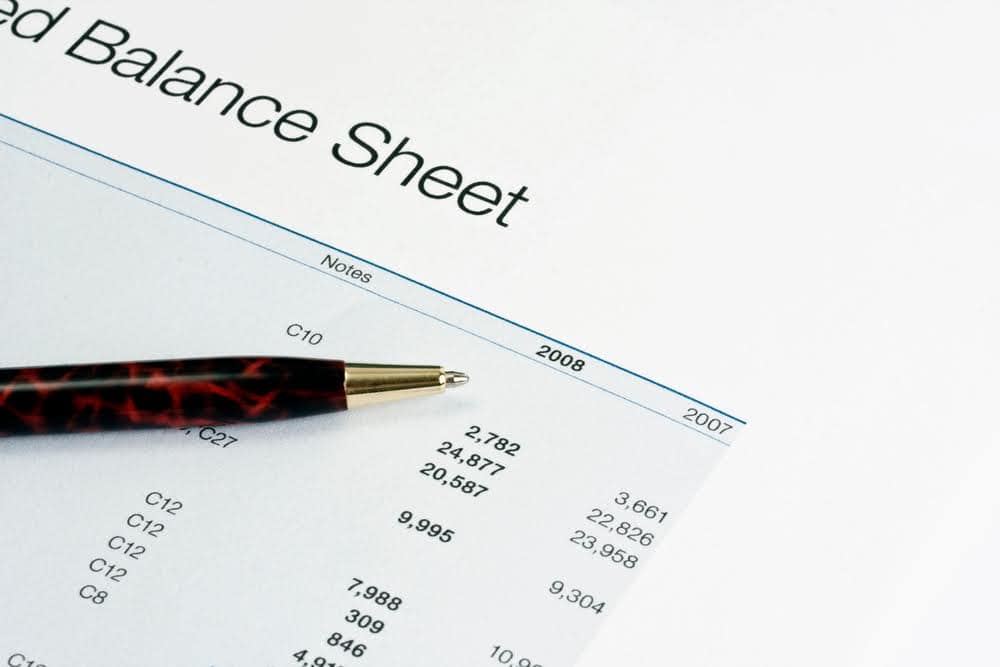
- Balance sheet: Shows your financial position at a specific point in time. It reveals what the business owns, what it owes, and what’s left for the owners. Think of it as a snapshot taken on a single day.
- Cash flow statement: Shows how cash moves in and out of the business. It explains why your bank balance can drop even when your income statement shows a profit.
Real analysis comes from reading these statements together and comparing them across periods. A single number in isolation tells you very little. Trends and relationships are what reveal the true financial picture.
Why Business Owners Should Care About Financial Analysis
Financial statements are not just compliance documents for your accountant. They are practical tools that show the real health of your business, often more accurately than intuition alone.
Understanding your numbers helps you spot cash flow problems before they become emergencies. It clarifies whether you can afford a new hire, major purchase, or expansion. When you apply for financing, lenders will analyze these statements, and knowing what they see puts you at an advantage. Tracking key metrics over time also reveals trends that signal growth opportunities or early warning signs.
You do not need to become a financial expert. But understanding the basics gives you control over your decisions instead of reacting after problems appear.
Understanding the Balance Sheet: What You're Looking At
The balance sheet follows a fundamental equation that always holds true:
Assets = Liabilities + Equity
If the two sides don’t balance, something’s wrong. This equation represents a simple concept: everything your business owns (assets) was funded either by debt (liabilities) or by the owners’ investment and retained profits (equity).
Assets: What Your Business Owns
Assets appear in order of liquidity—how quickly they can convert to cash.
Current assets include cash, accounts receivable, and inventory. These are resources you expect to use or convert to cash within one year. When you see “accounts receivable,” that’s money customers owe you. It’s recorded as an asset, but remember—it’s not cash in your pocket yet.
Non-current assets (also called fixed assets) include equipment, vehicles, property, and other long-term resources. These support your operations over multiple years and depreciate over time.
Liabilities: What Your Business Owes
Liabilities are also organized by timing.
Current liabilities are obligations due within one year: accounts payable (bills you owe to vendors), credit card balances, the current portion of loans, and accrued expenses like wages you owe employees.
Long-term liabilities extend beyond one year: mortgages, equipment loans, and other multi-year debt.
Not all debt is bad. A loan that funds growth-producing equipment can be a smart move. What matters is whether your obligations are manageable relative to your ability to pay them.
Equity: What's Left Over
Equity represents the owners’ stake in the business. It includes the original investment made by owners plus retained earnings—profits the business has kept rather than distributed.
Here’s a simple way to think about it: if you liquidated everything and paid off all your debts, equity is what you’d walk away with. It’s the residual value belonging to the owners.
How to Actually Analyze a Balance Sheet
Knowing what each section contains is the foundation. Now let’s turn that knowledge into actual analysis.
At a high level, balance sheet analysis focuses on four questions:
- Do you have enough short-term assets to pay short-term bills?
- How much of your business is funded by debt versus owner investment?
- Is your financial position improving or deteriorating over time?
- Are your numbers healthy for your specific industry?
Start With the Big Picture
Before calculating ratios, look at the overall structure of your balance sheet. How much of your assets are current versus fixed? How does total debt compare to equity? Is the business asset-heavy or lean and service-based? These high-level observations set the context for deeper analysis.
Assess Liquidity: Can You Pay Your Bills?
Liquidity shows whether you can cover short-term obligations with short-term assets.
Current Ratio = Current Assets ÷ Current LiabilitiesThis measures how many dollars of current assets you have for every dollar of current liabilities. A ratio above 1.0 indicates basic coverage. Many small businesses target 1.5–2.0. Too low signals cash risk; too high may indicate idle resources.
Quick Ratio = (Current Assets – Inventory) ÷ Current LiabilitiesThis stricter measure excludes inventory, which may not convert to cash quickly. A quick ratio above 1.0 suggests you can meet obligations without relying on inventory sales.
Evaluate Leverage: How Much Debt Are You Carrying?
Leverage ratios show how the business is financed and how much financial risk it carries.
Debt-to-Equity Ratio = Total Liabilities ÷ Total EquityThis compares debt financing to owner investment. Lower ratios generally mean less risk, though acceptable levels vary widely by industry.
Debt-to-Asset Ratio = Total Liabilities ÷ Total AssetsThis shows the percentage of assets financed by debt. Higher ratios increase risk, especially when revenue declines.
Compare Over Time
One balance sheet is a snapshot. Multiple periods show direction. Compare quarters or years to see whether debt is growing faster than assets, equity is increasing, and liquidity is improving or deteriorating.
Compare to Benchmarks
Ratios only matter in context. What’s healthy in retail may be risky in services. Use industry benchmarks from accountants, trade groups, or reports to judge whether your numbers align with similar businesses.
Mistakes Business Owners Make When Analyzing Financials
Even well-intentioned analysis can go wrong if you miss a few key points.
- Focusing only on the income statement. Profit matters, but your balance sheet shows whether the business can actually meet its obligations. A profitable company can still run out of cash.
- Looking at one period in isolation. Single snapshots don’t tell the full story. Trends over time reveal whether changes are strategic or signs of trouble.
- Confusing profit with cash. You can be profitable on paper while cash declines, especially when receivables grow faster than collections.
- Ignoring accounts receivable aging. Receivables aren’t all equal. Old balances may never turn into cash, even if they inflate total assets.
Connecting Balance Sheet Analysis to the Bigger Picture
The balance sheet does not stand alone. It connects directly to the income statement and the cash flow statement, and together they show how the business actually performs and funds its operations.
Net income from the income statement flows into retained earnings on the balance sheet, which is how profitable operations build owner equity over time. The cash flow statement explains changes in your cash balance between balance sheet dates, including spending on equipment, debt payments, or delayed customer collections.
Reading all three statements together gives you a complete financial picture. The income statement shows profitability, the balance sheet shows financial position and obligations, and the cash flow statement shows where cash actually goes.
Balance Sheet Ratios at a Glance
For quick reference, these are the key balance sheet ratios covered in this guide:
- Current Ratio: Current Assets ÷ Current Liabilities
Measures short-term liquidity. A common target range for small businesses is 1.5 to 2.0.
- Quick Ratio: (Current Assets − Inventory) ÷ Current Liabilities
Measures liquidity without relying on inventory. A ratio of 1.0 or higher is generally preferred.
- Debt-to-Equity Ratio: Total Liabilities ÷ Total Equity
Shows how the business is financed. Lower ratios typically indicate lower financial risk.
- Debt-to-Asset Ratio: Total Liabilities ÷ Total Assets
Shows what percentage of assets are funded by debt. Lower values mean less reliance on borrowing.
- Working Capital: Current Assets − Current Liabilities
Represents the cash cushion available for short-term needs. A positive figure is essential.
These benchmarks are general starting points. What qualifies as a healthy ratio depends on your industry, business model, and stage of growth.
Turning Numbers Into Decisions
Financial statement analysis is not about memorizing formulas or thinking like an accountant. It is about understanding your financial position well enough to make clear, confident decisions. Your numbers should help you decide when to take on new work, tighten collections, invest in growth, or reduce risk.
Reviewing your financial statements regularly, whether monthly or quarterly, keeps you connected to how your business is actually performing. Instead of reacting after problems appear, you can spot issues early and make decisions based on facts rather than assumptions.
If you want help interpreting what your balance sheet and financial statements are really telling you, Harlan Willow works directly with business owners to turn numbers into practical guidance. Contact us to review your financials and gain clarity, confidence, and a clear path forward.